


Scalable Automation : 5 principles to avoid freezing your warehouse

By Pauline Jurado · August 2026 · 5 min read
1. Size Capacity Based on Real Flows, Not Frozen Hypotheses
Sizing remains one of the most sensitive aspects of an automation project. Rather than betting on an uncertain growth trajectory, the most resilient approach is to design systems capable of absorbing a gradual increase in pace without immediate structural transformation. This scalability relies on two complementary levers: operational adjustments (switching to multiple shifts, seasonal hiring) and capital investments when activity peaks repeat and confirm themselves over time.
2. Rethink Processes Before Automating Them
Automation should not be limited to merely mechanizing an existing manual operation. It is an opportunity to redesign processes to make them clearer and compatible with multiple operational scenarios. A high-performing organization must be able to switch seamlessly from one logistics model to another—such as from retail store replenishment to e-commerce order picking—without rendering the installation technically obsolete
3. Add Value-Added Functions Progressively
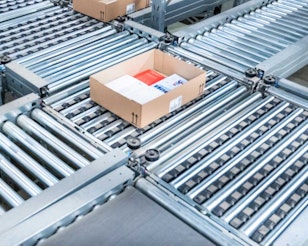
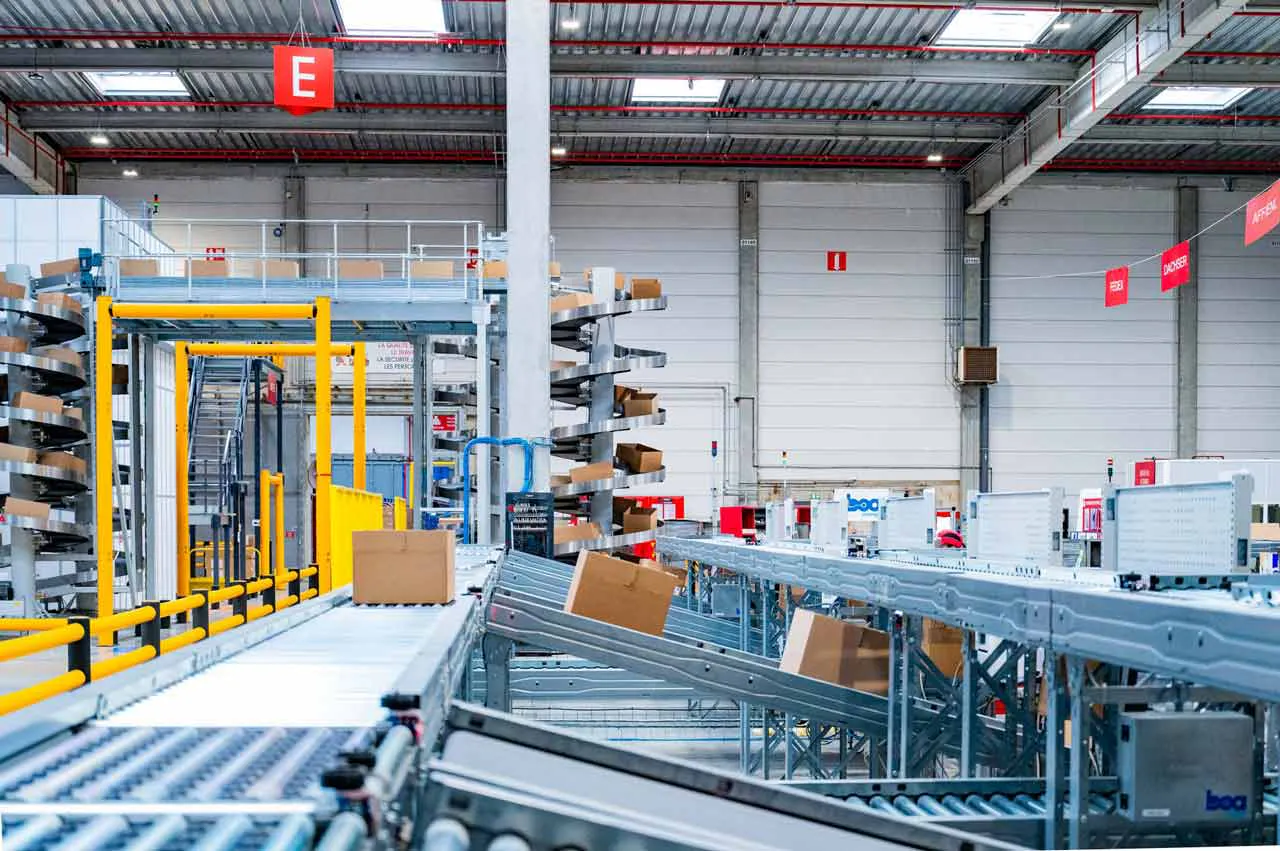
Intralogistics equipment is no longer limited to just transporting loads: weighing, quality control, labeling, or intelligent sorting can be integrated over time as the organization matures and flows density increases. This logic of assembling standard modules allows the facility to evolve at the same pace as the company's growth while protecting the initial investment.
4. Guarantee Interoperability and Dynamic Management
A modern facility operates within an interconnected technological ecosystem: it must be able to communicate via APIs with third-party equipment (such as packaging machines or Autonomous Mobile Robots) as well as with the company's IT systems. Furthermore, flow management must provide immediate visibility to operational teams—real-time data analysis limits bottlenecks and secures business continuity.
5. Anticipate Changes in Products and Packaging
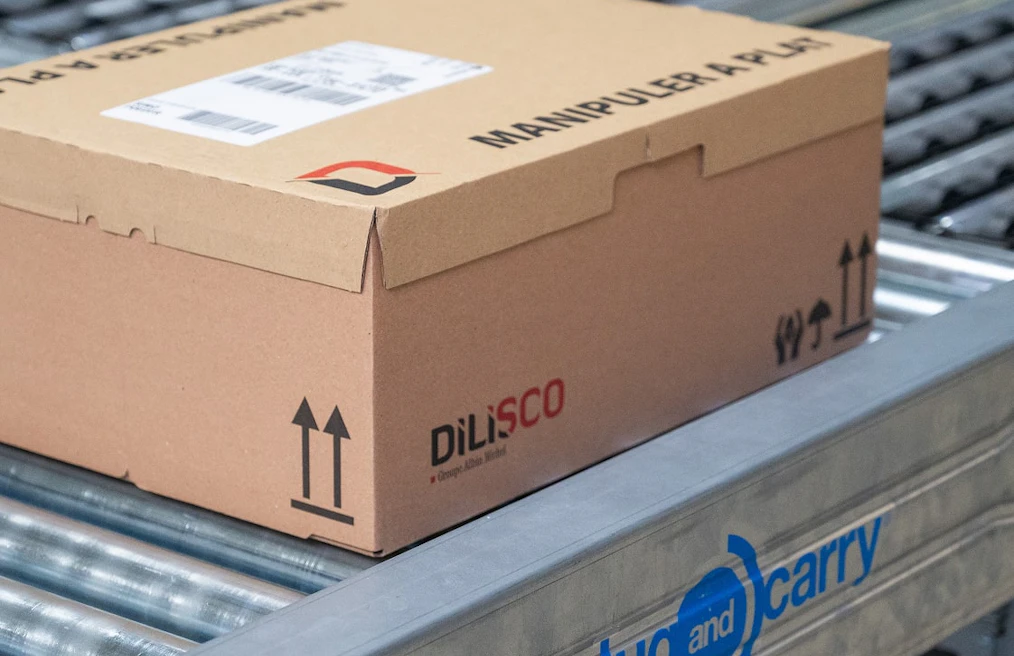
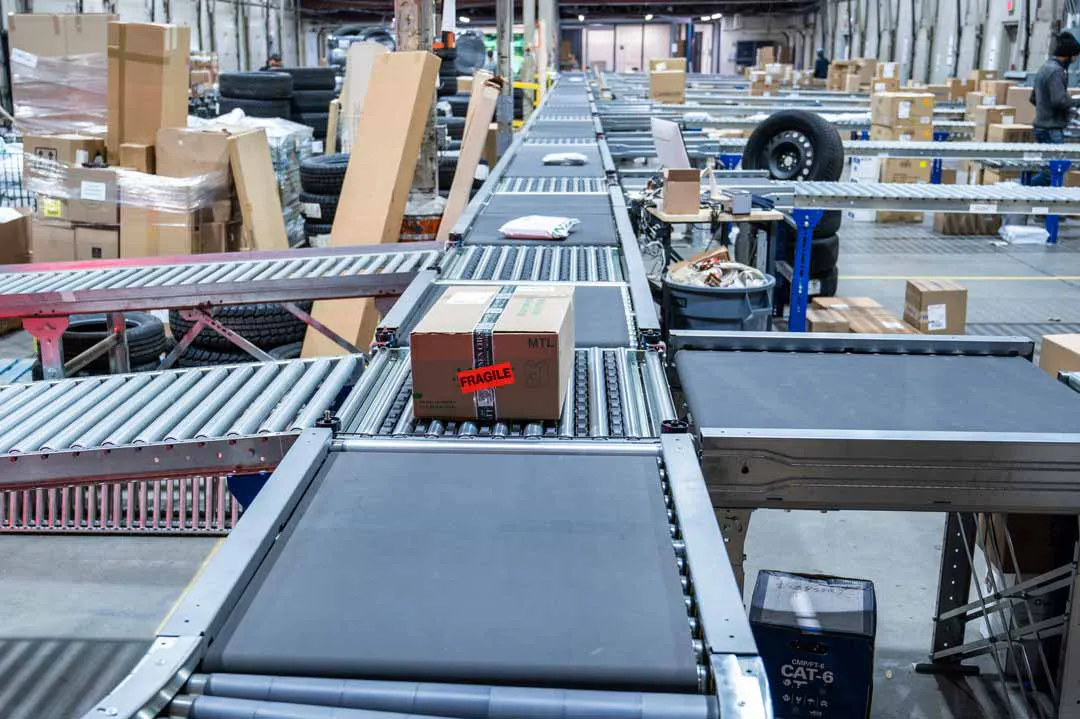
Logistics choices depend heavily on commercial and marketing strategies, which often evolve faster than the facilities built to support them. Switching from a rigid box to a flexible polybag, for instance, requires a conveyor technology capable of handling items just a few millimeters thick. A sustainable installation must therefore be designed to accommodate a high diversity of formats, including the most atypical ones.
Franck Girard, Indirect Sales Manger at BOA Concept Group summarizes :
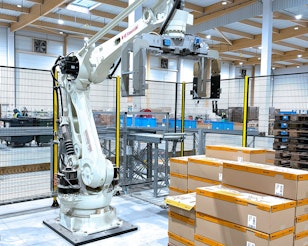
This approach is notably demonstrated at Katoen Natie, where BOA Concept teams deployed a scalable intralogistics solution capable of interfacing with numerous technologies while reusing part of the existing installation.
Find more about the Katoen Natie customer case